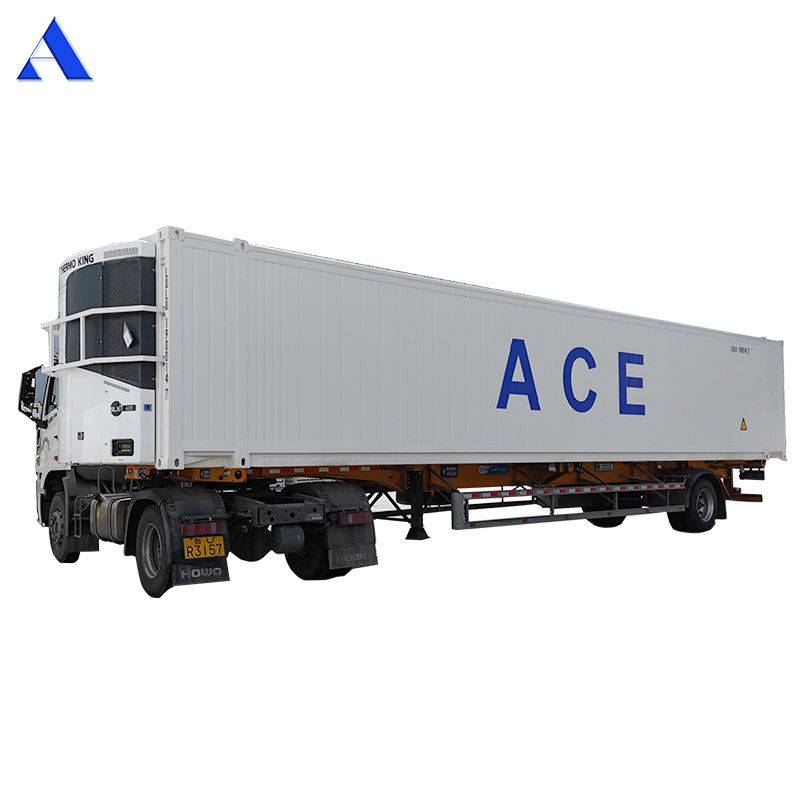
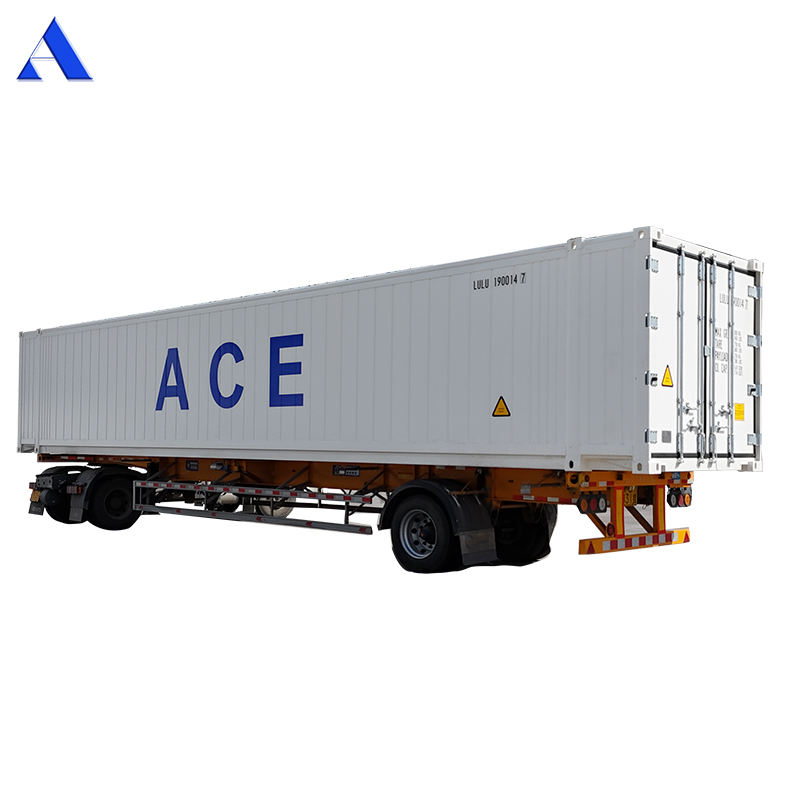
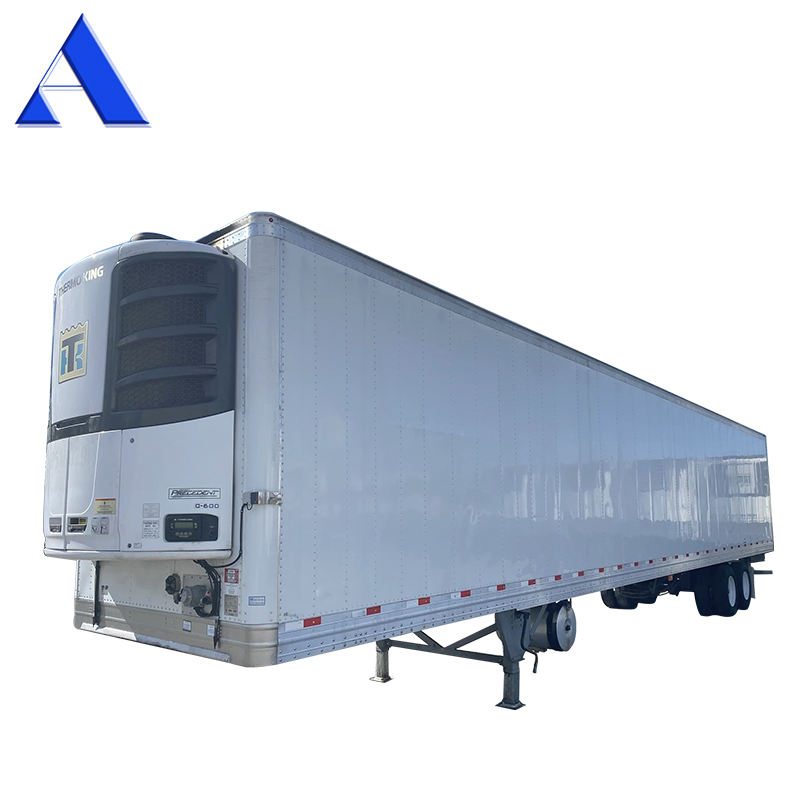
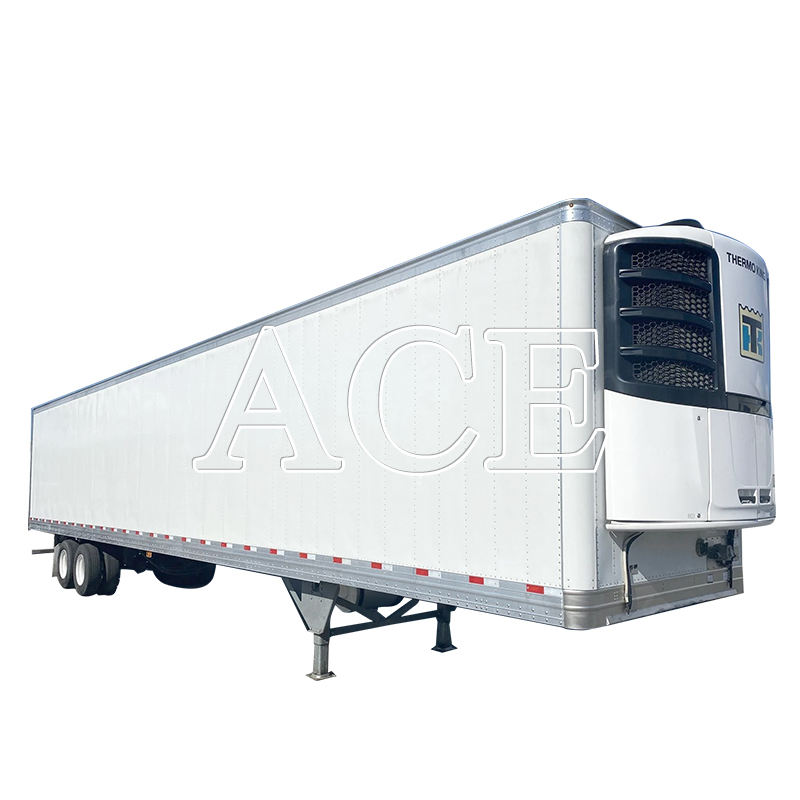
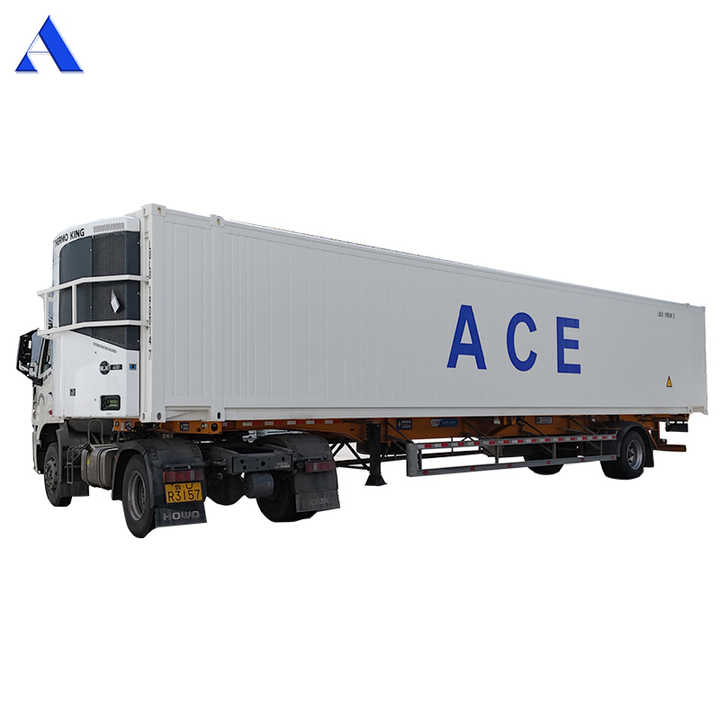
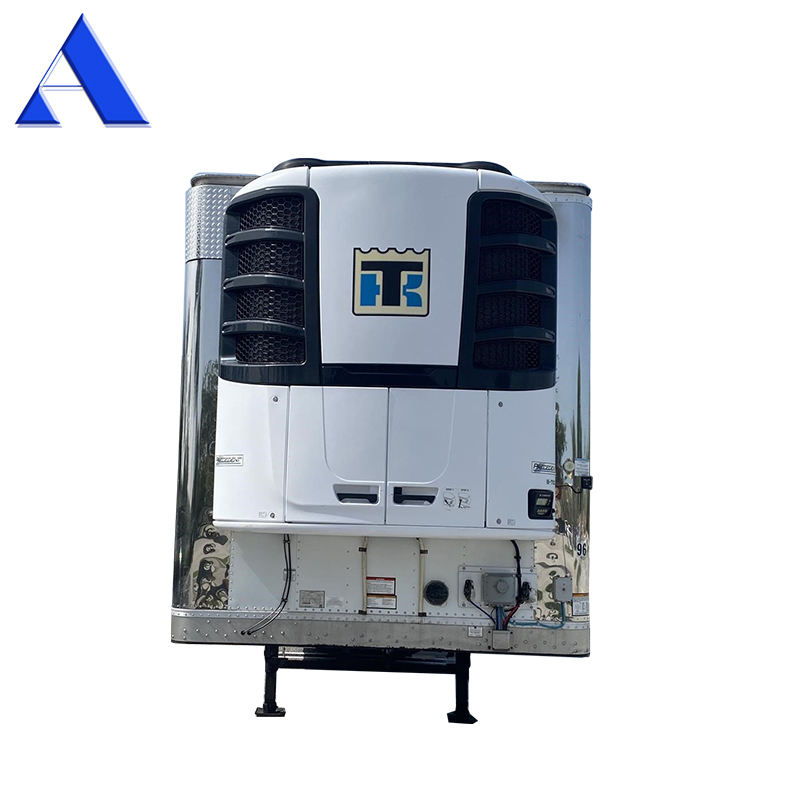
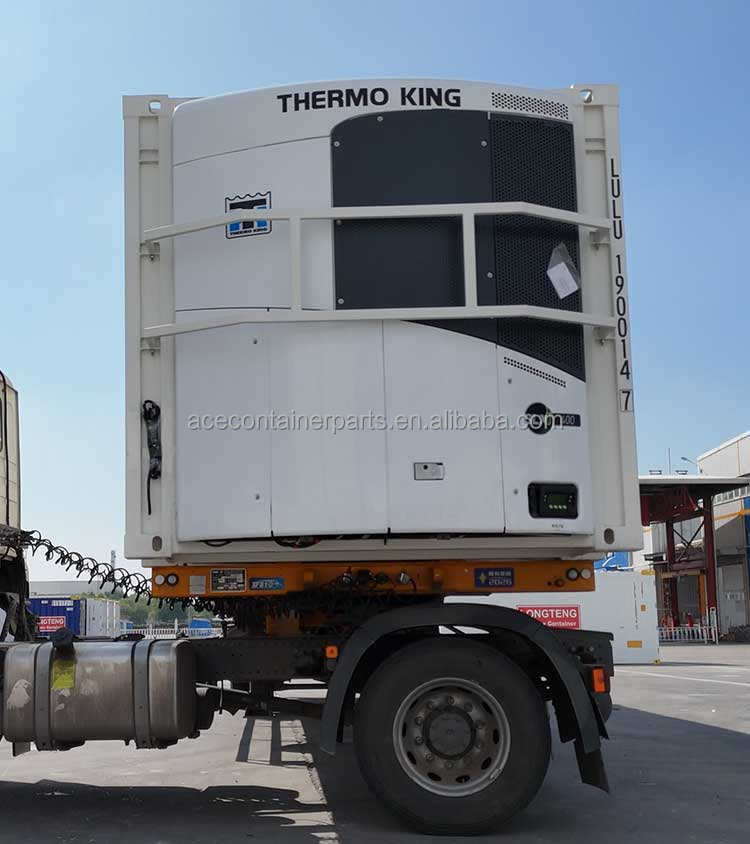


- Semi-Trailer: Ideal for long-distance refrigerated transport.
- 30-ton Max Payload: Ensures heavy loads are safely transported.
- Carrier / Thermo King Reefer Brand: Reliable cooling technology.
- 84 Cubic Meters Volume: Large capacity for efficient storage.
- Steel, Carbon Steel, Iron, Alloy Material: Durable construction.


Empty Container Export: From Beginner to Pro – All You Need to Know
Exporting an empty container as a commodity is entirely different from using a container to ship goods. The rules, procedures, and potential pitfalls can be overwhelming for first-timers. This guide breaks down the entire process for you, from core regulations to operational details, in a clear and straightforward way.
Core Principle: Managing the Container Itself
When exporting an empty container, the container is your cargo. Therefore, every step revolves around the container itself: its material, specifications, cleanliness, and structural integrity. These factors determine its HS code, regulatory requirements, and whether it clears customs smoothly. Remember, you are selling the container, not the space inside it.
Step 1: Get Your Export "ID" – Determine the Correct HS Code
This is the most critical step. An incorrect code invalidates all subsequent efforts. The HS code for an empty container is strictly determined by its size (e.g., 20ft, 40ft) and material (steel, aluminum). Never confuse it with codes for containers used for shipping cargo.
How to find it? The safest method is to search directly on the official "China International Trade Single Window" website or consult a professional customs broker.
Common References (For example only):
20ft Steel Dry Container: Refer to code
8609001900.40ft Steel Dry Container: Refer to code
8609002900.Other Aluminum or Special Containers: May fall under codes like
8609009000.
⚠️ Important: HS codes are updated periodically. The codes above are for reference only. Always verify the latest applicable code in the customs system before filing.
Step 2: Mandatory Compliance – Inspection is a Hard Requirement
Exporting empty containers is subject to statutory inspection and quarantine. The inspection must be completed before customs declaration. This order cannot be reversed.
What is inspected? The focus is on three main areas: 1) Sanitation – ensuring no rodents, insects, dirt, or odors inside; 2) Structural soundness – checking floors, door locks, and walls for damage or crevices that could harbor pests; and 3) Special treatment – if the container originates from an epidemic area, it must undergo required disinfection treatments like fumigation.
How to do it? Apply for inspection with the customs office at the factory's location, submitting documents like the contract and invoice. Upon passing the inspection, an electronic record is issued, which is essential for the subsequent customs declaration.
Step 3: Operational Workflow – A Seven-Step Process
The entire process can be broken down into seven key stages. Following them in order ensures a smooth operation.
Contract & Booking: Sign a sales contract with the buyer (clearly stating terms like FOB or CIF). Then, book a vessel with a shipping company. Explicitly state it is for "empty container export" and obtain the Shipping Order (S/O).
Pick-up & Self-Inspection: Take the S/O to the depot to collect the empty container. Inspect it carefully – verify the container number and specifications match the contract, ensure it is clean, and record the seal number.
Local Inspection Declaration: This is a mandatory step. Apply for the mandatory inspection and quarantine for the empty container at the customs office where the factory is located.
Customs Declaration (at Port): After receiving the electronic customs clearance notice, prepare all required documents (contract, invoice, packing list – all must explicitly state "empty container, no cargo") and declare through the "Single Window" system at the port of exit.
Customs Review & Release: Customs will review the documents and may conduct a physical inspection of the container (verifying number, size, and cleanliness). Once approved, they issue an electronic release order.
Gate-in & Loading: Move the released empty container into the terminal. The terminal verifies the information and accepts it. The shipping company then arranges loading and issues the Bill of Lading (B/L). The B/L must also clearly state it is for an empty container.
Settlement & Follow-up: Submit the B/L and other documents to the buyer for payment settlement. Remember to apply for the Value-Added Tax (VAT) refund within 90 days of the export date, according to regulations.
Pitfall Avoidance: The Three "Absolute Donts"
DON'T ship without mandatory inspection. Failing to inspect an empty container is a serious violation. The container will be blocked at the terminal and cannot be loaded.
DON'T conceal the container's condition. Any damage, contamination, or repairs must be truthfully declared or addressed. Concealing issues can lead to rejection and penalties.
DON'T use the wrong HS code. Misclassifying the code to cut corners will result in declaration rejection, modifications, delays, increased costs, and potentially a negative compliance record.
In summary, exporting empty containers follows a clear logic and a fixed procedure. The keys to success are: accurate classification, legal inspection, truthful declaration, and consistency between documents and the cargo. By methodically following these steps, you can ensure a smooth customs clearance process.
If you encounter specific issues in practice, such as determining the correct code for a special container type or meeting unique destination port requirements, feel free to come back with more details for further discussion.